
1. A Brief Introduction About You?
My father was an Ayurvedic doctor and my grandfather was also an Ayurvedic doctor. Both were also involved in conducting wedding rituals in our village. From the age of 10, I accompanied my father to weddings during school holidays. Back then, rituals were performed upon invitation, not for payment. But as times changed, the industry evolved and became more commercialized, something that was necessary for it to become a full-time profession.
Around 2005, I began conducting wedding rituals for friends and relatives. Though I initially planned to focus on this career only after marriage, I gradually realized that the cultural value of these rituals was fading. I wanted to revive and modernize them while preserving their meaning.
Once my daughter started school, I felt the time was right to start my venture. With the knowledge and experience I had gained, I launched Vishvi Weddings, introducing several innovative ideas that were warmly welcomed by clients.
2. What Challenges Have You Faced So Far?
One of the biggest challenges was introducing change. I noticed that the way rituals were being performed lacked consistency and reverence.
In every culture, a wedding has two parts:
The blessing segment (traditional and sacred)
The entertainment segment (celebration and joy)
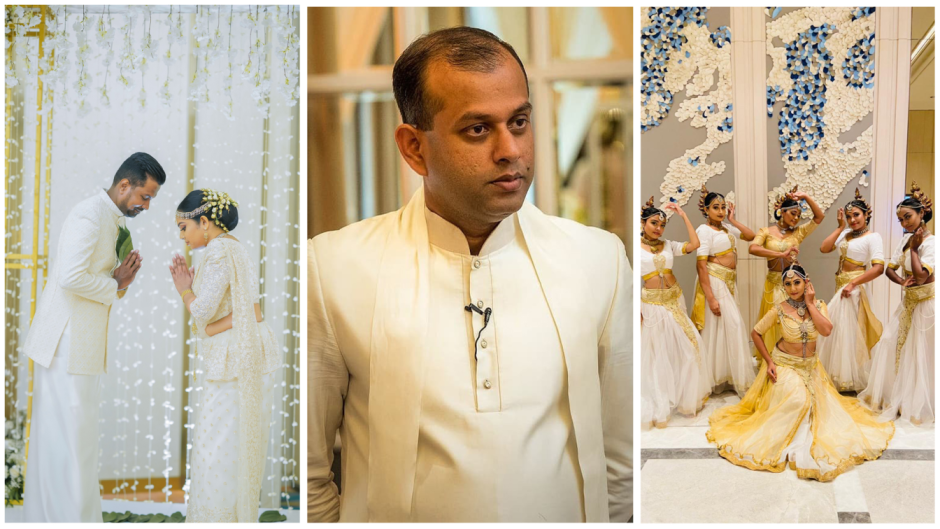
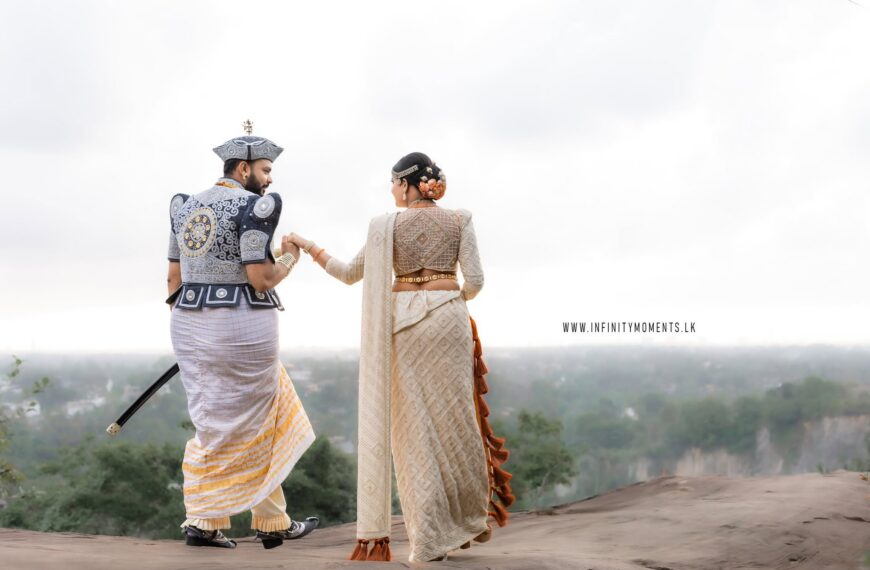
In Sinhala weddings, the Poruwa ceremony is the blessing part, yet its significance is often overlooked. I wanted to elevate its importance.
Another major issue was the lack of professionalism in the industry. Performers often dressed inappropriately or behaved casually, which diminished the respect these traditions deserved. I wanted to bring back dignity and class to these rituals.
When I introduced improvements in proper attire, organized ceremonies, and a respectful tone competitors and even clients mocked me. But once they experienced our services, their attitudes changed, and they appreciated the quality.
We also faced challenges working with other vendors. At weddings, multiple service providers must collaborate. Initially, there were conflicts, but over time, we built mutual respect and developed strong professional relationships.
3. What Is the Origin of the Ashtaka Tradition?
Some believe that the Poruwa ceremony dates back to the time of Prince Siddhartha’s marriage, or even to the Okkaka dynasty.
With the arrival of Mihindu thero, many cultural elements, including the 64 traditional arts, came to Sri Lanka. The Ashtaka verses, central part of the Poruwa ceremony- are chanted in Sanskrit, Pali, and Sinhala, reflecting Indian influences.
Historically, these rituals weren’t performed by professionals. Teachers, Ayurvedic doctors, or village astrologers-people respected in the community in this role. Although monks were familiar with the chants, they couldn’t perform the rituals, so knowledgeable laypersons stepped in.
4. How Does Ashtaka Add Value to a Wedding?
Every wedding has two parts:
Sacred blessings
Festive celebrations
The Poruwa ceremony, with its chants and rituals, forms the sacred part of a Sinhala wedding. Even foreigners attending these ceremonies admire the spiritual flow and completeness. Without this blessing, the celebration feels empty.
5. Your Opinion on Poruwa.lk?
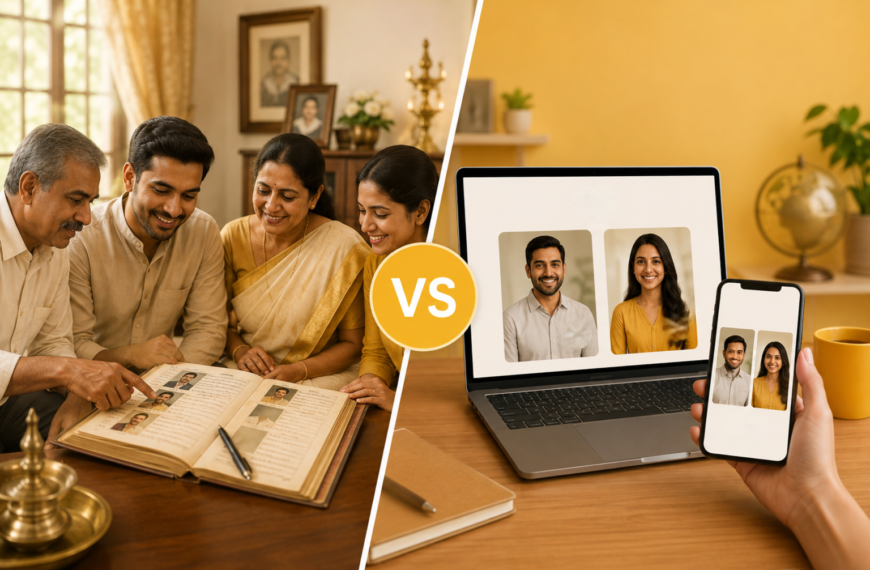
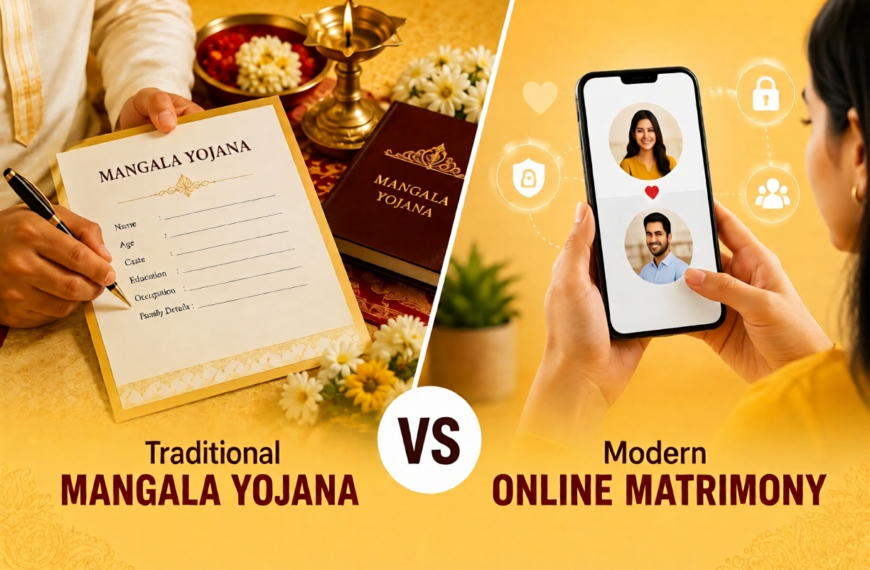
Poruwa.lk is one of the most trusted digital matchmaking platforms in Sri Lanka. In the past, people relied on newspaper ads or personal intermediaries for marriage proposals. Now, it’s all gone digital.
What makes Poruwa.lk stand out is the trust it has earned. Despite general concerns about privacy on digital platforms, people feel safe using Poruwa.lk.
Matchmaking is an extremely important step-if it’s not handled right, the rest of the wedding process won’t go smoothly. I believe Poruwa.lk carries out this task very professionally.
6. Who Do You Thank for Your Success?
First and foremost, I thank my mother and my late father for introducing me to the arts and culture. My wife and daughter have been my biggest pillars of support. The birth of my daughter was what inspired me to start my own business.
I also want to thank the 300+ artists, performers, and collaborators who work with me across the country. Their dedication and talent are priceless.
And finally, I deeply appreciate the pioneers of Sri Lanka’s wedding industry, who stood by me during the transformational period between 2010 and 2020 when I was bringing new ideas into traditional ceremonies.
7. How Can People Reach You?
We operate from two branches:
Main Office: 750, 7th Floor, Janajaya City Building, Rajagiriya (near Rajagiriya junction)
New Branch: Kotikawaththa
Many clients-especially those living abroad- contact us online. You can search for Vishvi Weddings or call me directly at 0773 613 873.

 By
By