

The necessity of conflict resolution
Love, respect, and trust are maintained through conflict resolution.
Benefits include:
Emotional safety and security allow us to express our emotions.
Intensified closeness- the bond becomes stronger as predicaments are solved amicably.
Emotional distance prevention – undealt minor problems grow over time.
Studies have demonstrated that developing a constructive way of resolving conflicts enhances long-term marital satisfaction.
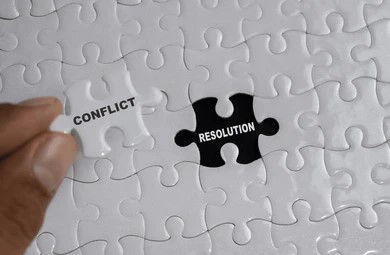
Healthy Conflict Resolution Signs
Listening to learn something, not Something to be able to respond.
Instead of talking of blame, “I feel…” statements can be used.
Solutions, collaboratively, not “winning” arguments.
Providing true remorse and forgiveness.
The Development of a Skill of Conflict Resolution
Focus Wholly -Shut out the distractions, maintain eye contact, and repeat what you are saying.
Stay Cool- Take a halt and breathe in case the emotions are too high.
On Point, Stay on Point – Emphasize the topic, not the personality of the partner.
Negotiate and Compromise- Respect them- show them by giving/taking.
Agree to Disagree- Compromise on things in which there is no chance of changing.
Get Professional Help -Couples counseling helps to offer impartiality and advice.
Psychological Benefits
Less stress and emotional pressure.
Improved health at large (immunity, energy, sleep).
More trust in the respectful disagreements.
Conflict Resolution in Sri Lankan Love Marriages
Distinctive issues are:
In-laws and in-laws’ expectations (Advice and traditions).
Cultural norms (a blend of modern life and traditional ones).
Money (costs, spending habits, dowry).
Social views (views of extended family and community).
Confidential conversations prevent you from looking foolish in front of others and strengthen the bond in the family.
Common Mistakes That Worsen Conflicts
Emotional withdrawal or use of silent treatment.
Raising old issues of differences.
Committing acts involving a family member in personal disputes.
Minimising or teasing a partner.
Practices to Develop Skills of Conflict Resolution

Give minor problems attention before they become serious.
Have check-ins in your relationships.
Confirm your partner even on the aspect that you do not agree with him.
Cheer at the achievements of transforming disputes into knowledge.
Conclusion
Conflict solving is an ongoing action and not a skill.
When approached politely, arguments can be a chance for bonding.
The importance of not having disagreements is measured by how heard, respected, and connected one feels towards the relationship, not by the absence of reaching disagreements.
The enrollment of a professional is a good measure, therefore demonstrating a sense of commitment in the relationship.


 By
By