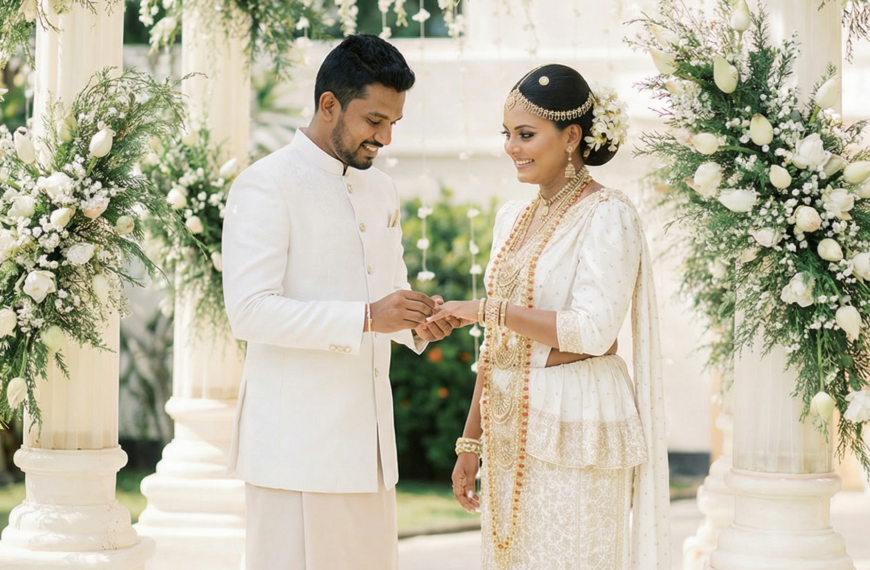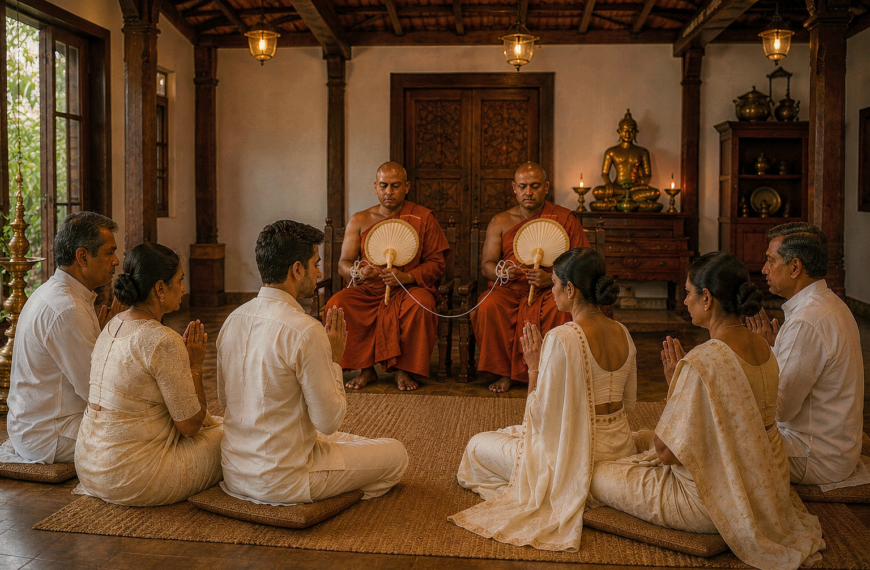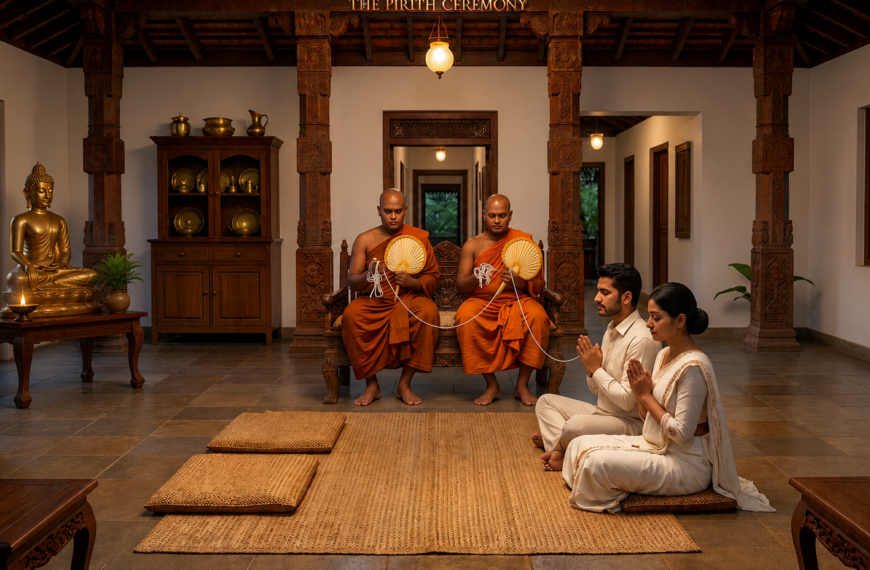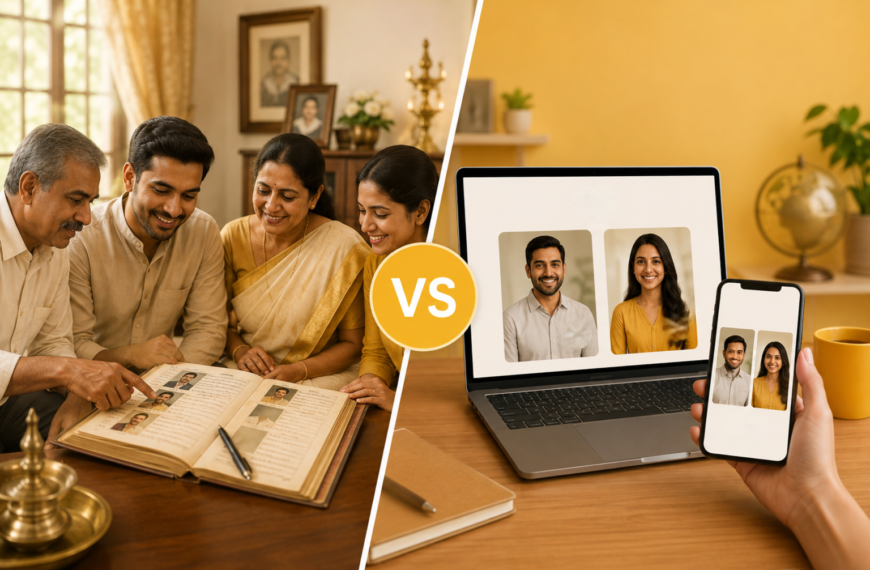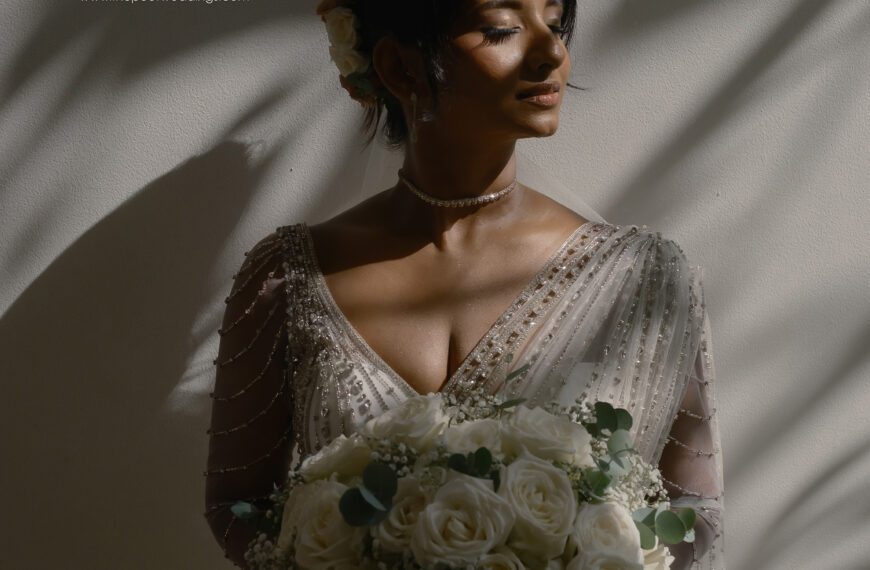
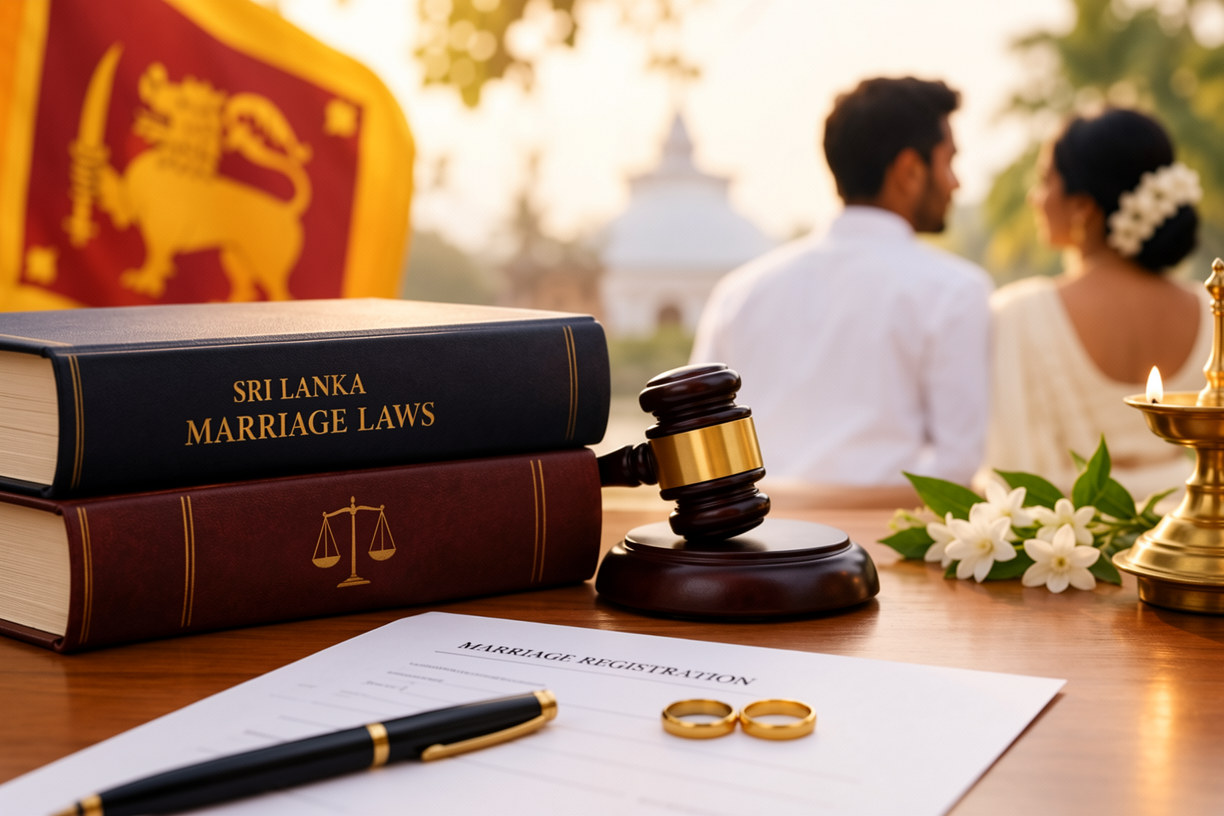

Planning a wedding is an exciting journey. From finding a life partner and exploring marriage proposals in Sri Lanka to choosing the perfect venue and planning the poruwa ceremony, there are many things to organise before the big day. However, couples should also understand the legal requirements for marriage in Sri Lanka.
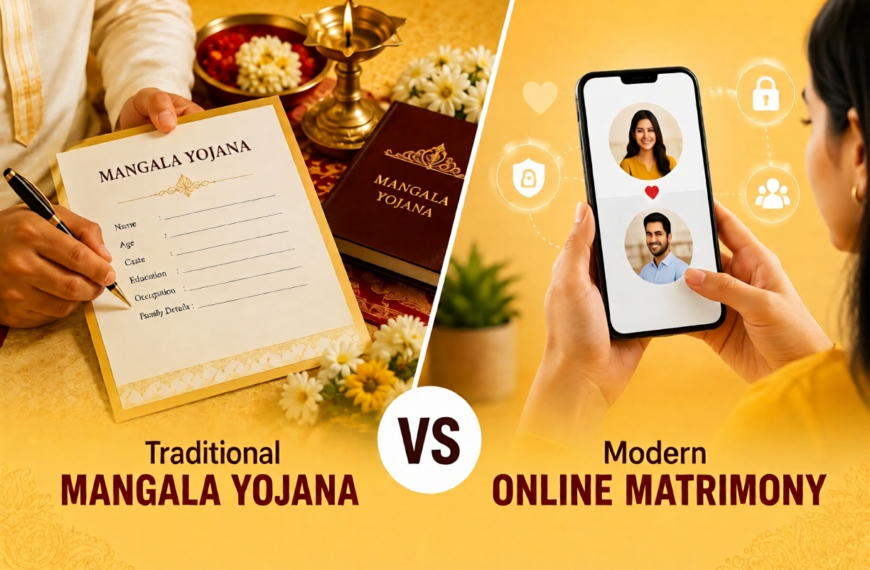
Whether you meet your partner through a traditional mangala yojana, a wedding proposal website, or through family and friends, knowing the basic marriage laws can help you prepare for your future together.
Minimum age and consent
Under the General Marriage Registration Ordinance, both partners must generally have completed 18 years of age to marry.
Marriage must also be based on the free consent of both individuals. While family involvement is common when considering marriage proposals, both partners must legally agree to enter the marriage.
Previous marriages
A person cannot legally marry someone else while they already have a subsisting or undissolved marriage.
If either partner was previously married, it is important to make sure that the previous marriage has been legally ended before registering a new marriage. Simply separating from a previous partner does not necessarily mean that the marriage has legally ended.
This is an important consideration for anyone looking to begin a new relationship through marriage proposals.
Marriage between close relatives
Sri Lankan law also prohibits marriage between certain closely related individuals.
For example, marriage between a parent and child or between full or half siblings is prohibited. Certain other relationships by blood, marriage, or adoption may also fall within the prohibited degrees of relationship.
Therefore, couples should confirm the applicable legal requirements before proceeding with marriage registration.
Giving notice of marriage
Couples planning to register their marriage under the general law generally need to submit a written notice of their intended marriage to the relevant Marriage Registrar or District Registrar.
There are also residence requirements. Generally, at least one partner must have lived in the relevant registration division for 10 clear days before giving notice.
A waiting period then applies before the marriage can be registered. Since the process can take time, couples should begin the legal arrangements well before their planned wedding date.
Different marriage laws in Sri Lanka
It is important to remember that not all marriages in Sri Lanka are governed by the same law.
For example, Muslim marriages are governed separately under the Muslim Marriage and Divorce Act (MMDA) and have their own procedures and requirements.
This is particularly relevant for people researching matrimony in Sri Lanka, Sri Lanka matrimony, or different types of marriage proposals. Whether someone is considering Buddhist matrimony, Catholic marriage proposals, or another form of marriage, they should understand which legal framework applies to their situation.
What about foreign nationals?
Foreign nationals who wish to marry in Sri Lanka may have additional requirements. These can include documents such as birth certificates and evidence that they are legally free to marry, along with document authentication and residence requirements.
This can be especially important for Sri Lankan brides and grooms living overseas or couples who meet through online matrimonial platforms and wish to have their wedding in Sri Lanka.
The exact requirements may vary depending on the circumstances and nationality of the individuals, so couples should check the latest requirements with the relevant authorities before making final arrangements.
Online marriage proposals and legal marriage
Today, many Sri Lankans use online platforms to explore potential relationships and marriage proposals in Sri Lanka. A trusted wedding proposal website can provide a convenient way for people to connect with potential partners and begin their journey towards marriage.
However, finding a partner through an online platform is only the beginning. Once two people decide to get married, they still need to follow the applicable legal requirements for marriage registration.
Platforms such as poruwa.lk | ශ්රී ලාංකීය මංගල යෝජනා can help people explore matrimonial opportunities, while the couple must separately ensure that their marriage registration follows the relevant Sri Lankan law.
Don’t forget the legal side of your wedding
A wedding is about celebrating the beginning of a new chapter, but the legal side of marriage is just as important as the celebration itself.
By understanding the age requirements, consent, previous marriage restrictions, prohibited relationships, notice procedures, and applicable marriage laws, couples can prepare more confidently.
Whether you meet through a traditional mangala yojana, family connections, or online marriage proposals, understanding the law is an important step before saying “I do.”
Take care of the legal requirements early, plan your celebrations, and focus on what matters most — building a happy future together.
This article is intended for general informational purposes and does not constitute legal advice. Marriage laws and procedures may change, so couples should confirm the latest requirements with the relevant Marriage Registrar or a qualified legal professional.

 By
By