
Legal rights and legal aid for survivors
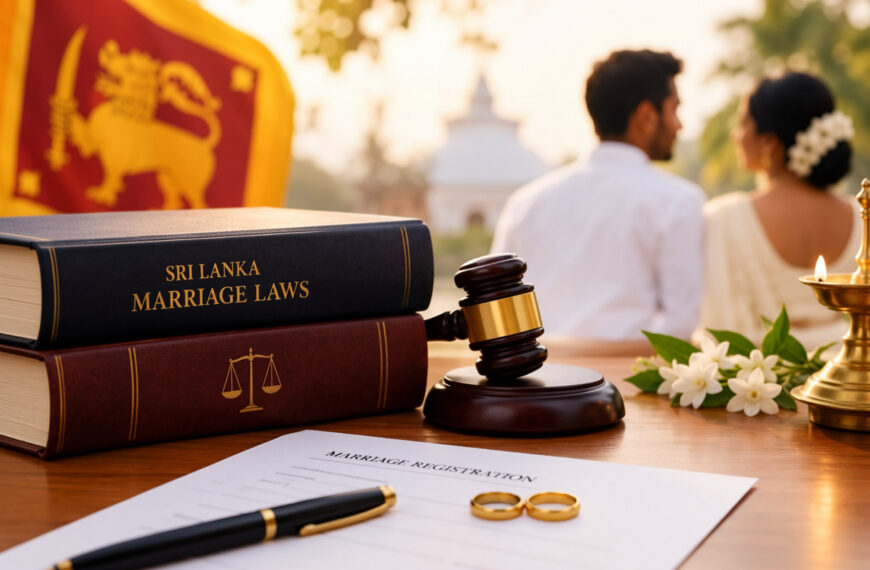
Every woman in Sri Lanka has the right to live free from violence, abuse, and intimidation. Survivors do not have to face legal proceedings alone. Legal aid organizations, police officers, and other support services can help women understand their rights, make complaints, obtain protection, and explore the legal options available to them.
If you are experiencing domestic violence, threats, harassment, or another form of abuse, seeking legal advice can help you understand what steps you can safely take. A trusted organization or legal professional can also explain the process and help you access appropriate services.
Where survivors can seek legal assistance:
- Women In Need (WIN) – Provides legal assistance and support to women and children affected by violence.
- Legal Aid Commission of Sri Lanka – Provides legal assistance to eligible individuals.
- Sri Lanka Police – Child & Women Bureau – Receives complaints involving violence against women and children and supports investigations.
- Courts and relevant government services – Survivors may be able to seek legal protection and other remedies depending on their circumstances.
What to do if you are experiencing abuse
Leaving an abusive situation is not always simple or immediately possible. Safety should always come first. If you are in immediate danger, move to a safer location if you can and contact the appropriate emergency service.
If it is safe to do so, consider:
- Reach out to someone you trust. A family member, friend, colleague, teacher, neighbour, or community leader may be able to provide emotional or practical support.
- Contact a support service. Helplines and organizations can help you understand your options without forcing you to make a decision before you are ready.
- Keep important documents accessible. If possible, keep identification documents, medical records, financial information, and other essential documents somewhere safe.
- Document incidents when it is safe. Records such as dates, messages, photographs, or medical documents may be useful if you later decide to report the abuse.
- Seek medical attention when necessary. Healthcare professionals can treat injuries and provide appropriate medical and psychological support.
- Consider a safety plan. Think about where you could go, who you could contact, and what essential items you may need if you have to leave quickly.
Most importantly, the responsibility for the violence lies with the person who commits it, not the survivor.
How Family, friends, and communities can help
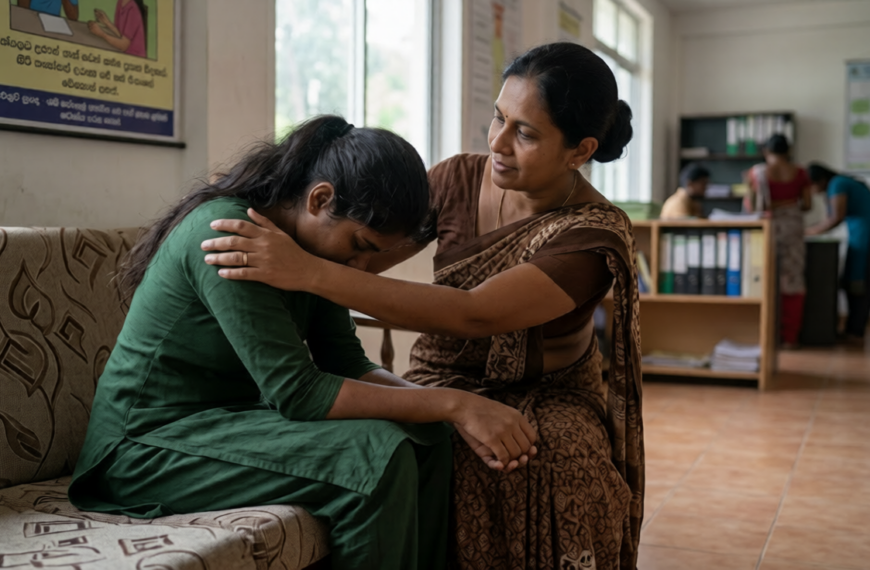
Supporting a survivor does not always mean having all the answers. Sometimes, simply listening without judgment can be the first step toward helping someone feel safe enough to seek assistance.
If someone tells you that they are experiencing abuse:
- Listen calmly and believe them.
- Avoid blaming them or asking why they did not leave earlier.
- Respect their decisions and allow them to move at a pace that feels safe.
- Share information about trusted support services and helplines.
- Offer practical assistance where appropriate, such as helping them contact a service.
- If there is an immediate threat to their safety, encourage them to seek emergency assistance.
- Avoid confronting the alleged abuser yourself if doing so could increase the survivor’s risk.
Creating a supportive environment can make it easier for survivors to break their silence and seek the help they deserve.
Breaking the silence around violence against women
Domestic violence and other forms of violence against women should never be treated as a private matter that survivors must endure silently. Fear, financial dependence, social pressure, concern for children, and fear of retaliation can make it extremely difficult for a woman to seek help.
This is why awareness matters.
When women know where to find support, they are better positioned to make informed decisions about their safety and future. When families and communities understand how to respond, survivors are less likely to feel isolated. And when society refuses to normalize violence, it becomes easier to challenge the attitudes that allow abuse to continue.
You are not alone
If you or someone you know is experiencing violence, reaching out for help can be an important first step. You do not have to face the situation alone, and asking for support is not a sign of weakness.
For immediate danger, contact the Sri Lanka Police Emergency service on 119. For support and guidance, women can also contact the Women’s Helpline on 1938.
Remember: No woman deserves to live in fear. No survivor should be blamed for the violence they experienced. And no one should have to suffer in silence.
By spreading awareness about support services, encouraging survivors to seek help, and speaking openly against violence, we can work together toward a Sri Lanka where every woman can live with safety, dignity, freedom, and respect.


 By
By