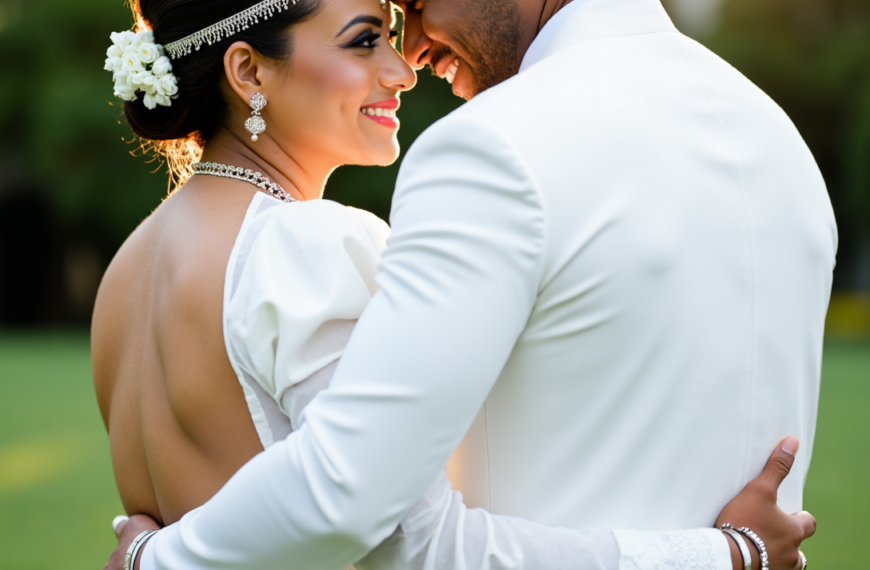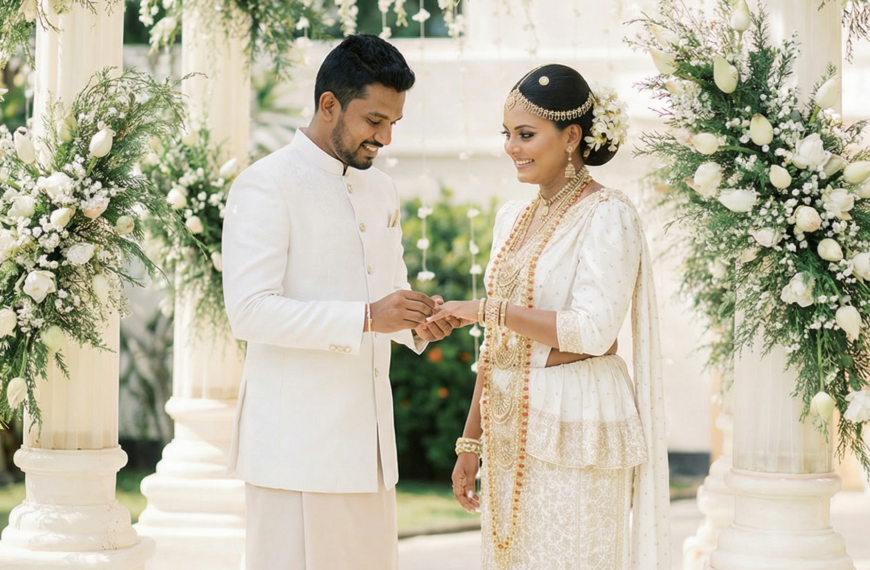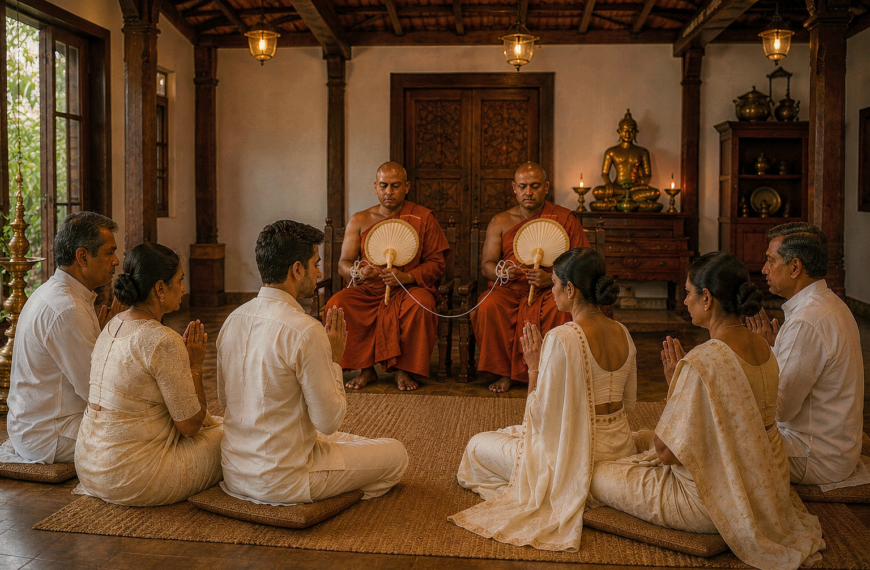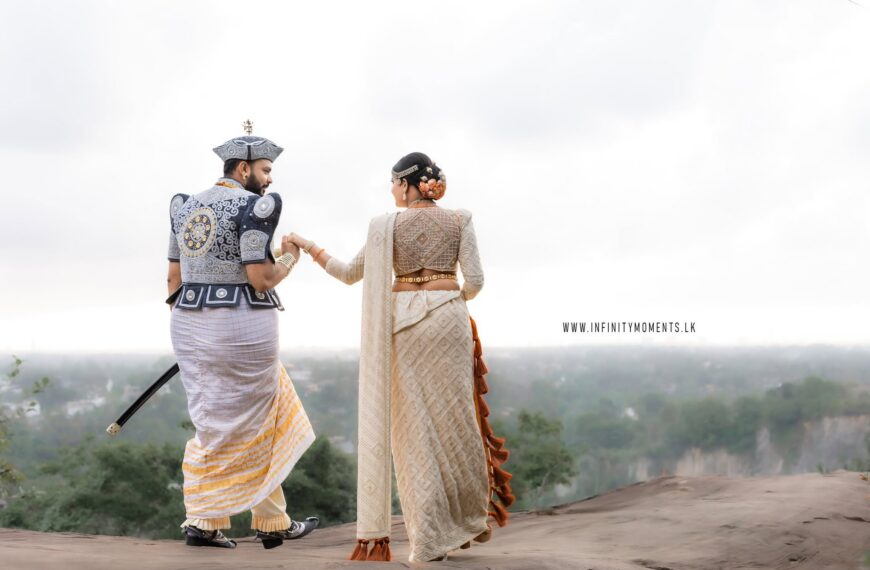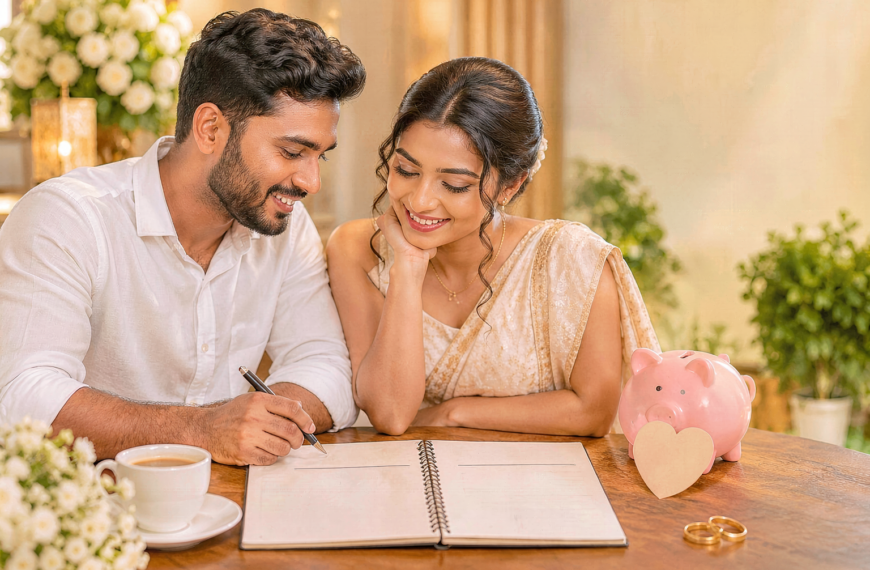


Love marriages in Sri Lanka are often hampered by significant cultural obstacles as a result of our diverse ethnicities, religions, languages, and traditions. While people marry for love, pressure from family and culture can hurt their happiness if they don\’t handle it with care. This article discusses the cultural obstacles faced in love marriages across Sri Lanka and offers helpful, practical suggestions to resolve these issues, so that readers will be able to establish a happy, harmonious, and fulfilling relationship.
1. Interfaith and intercultural marriages
In marriage in Sri Lanka, religion and ethnicity are often significant factors. Parents may, at times, exhibit resistance to love marriages that cross religious and ethnic lines, out of fear of cultural dilution or social scrutiny from society.
Example: A Sinhala Buddhist, Nadeesha, fell in love with Rizwan, a Muslim. Her family had concerns about how the two would negotiate rituals associated with the wedding, future engagements in religious customs, and raising their children.
From a psychological point of view, parents may fear becoming socially outcast, as well as losing their community reputation. Additionally, this concern may evolve into an emotional struggle and outward adversity to their child’s choice.
Resolution: Talk about and respect both religious and cultural practices, seek advice from wise elders known to both communities, and assure the parental family.
2. Family honour and cultural expectations
The shared concern “mokadda minissu kiyanne?” (“what will people say?”) still pulls many families. Some parents worry that cultural differences or backgrounds will damage their social standing if their child marries outside their ethnicity or religion.
Example: Dinuka’s parents were concerned that marrying a Tamil partner would invite criticism from relatives and those in their neighbourhood.
Recommendation: Parents believe their families know their children best. Show families that you will be together and committed. Having outside relatives mediate and reiterate that your marriage will honour both traditions will help reassure both families.
3. Food habits and culture differences
Love marriages in Sri Lanka may also lead to different food habits and lifestyle/culture differences, such as being vegetarian or mostly non-vegetarian, or families that have strict cultural food habits.
Example: A vegetarian Sinhala Buddhist family sat with mild discomfort when their new son-in-law enjoyed non-vegetarian meals at home.
Solution: Be respectful of one another’s eating habits. Of course, avoid extreme judgment, but have separate cooking provisions if necessary, and enjoy cultures beyond your usual cooking. These small symbols of respect can bridge the emotional connection you have.
4. Gender roles and family expectations
Traditional families may expect that the woman fully adjusts to the husband’s culture, lifestyle, or even career expectations.
Example – Malshi’s in-laws wanted her and her family to possess the same values, traditions, and social status as theirs.
5. Emotional rejection and impact
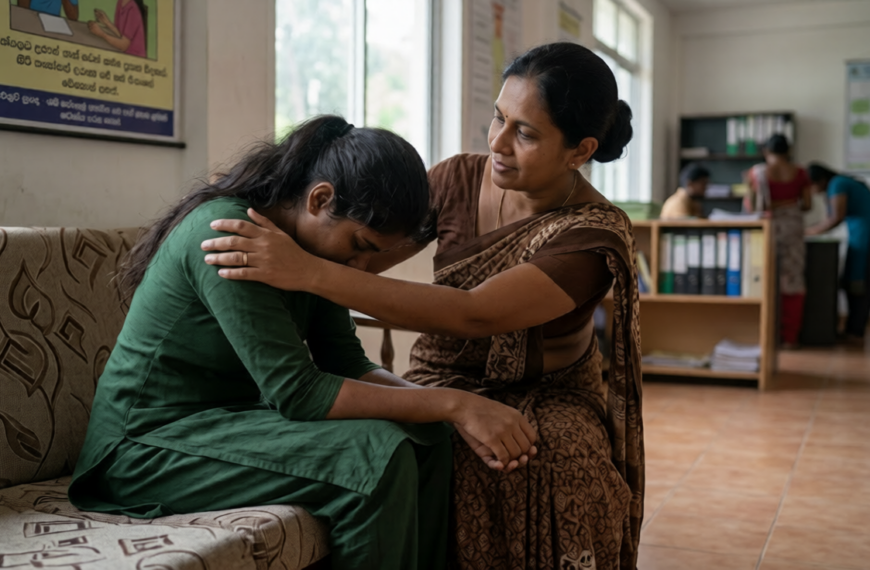
In many extreme instances, the family may reject or step back from a couple who choose to marry outside of their cultural or spiritual group. The emotional rejection from family can be long-lasting trauma, anxiety, or guilt.
Psychological effects: Feeling isolated from family can lead to emotional distress and depression, especially without any emotional support for the couple.
Solution: Couples should seek help through counselling or emotional support programs and continue to develop their committed relationship through emotional understanding. When both people are emotionally settled, couples should attempt to reconcile when possible.
6. Conflicts on Cultural Celebrations and Rituals
Sri Lanka has a multi-religious culture, which means a love marriage raises the issue of deciding how to lead cultural celebrations or family events. For example, how to honor Vesak and Ramadan, or which family to follow after marriage.
Example: Sanduni and Azhar took turns celebrating the Sinhala and Hindu New Year one year and Ramadan the next to set aside the inclusion of family perspectives.
Solution: Celebrate festivals for an entire year and alternate between family-centric and cultural celebrations. When possible, celebrate together, try to include both families, and share in each other\’s celebrations. Traditions create bonds and promote closeness.
Final Thoughts: Love That Transcends Cultural Boundaries
Cultural obstacles in Sri Lankan love marriages are evidently common, yet they can be overcome. When partners communicate openly and respectfully, express empathy towards each other, and respect that they are marrying someone with a rich cultural history, they will help establish the basis of harmony for a lifetime. Love marriages are successful when partners view cultural dissimilarities as strengths that add layers of richness to their lives together. With respect for the various dimensions of diversity and the goal of creating blended cultural traditions, Sri Lankan couples who marry for love will create a model for unity where love may transcend any given cultural divide.

 By
By