
Types of domestic violence in marriage
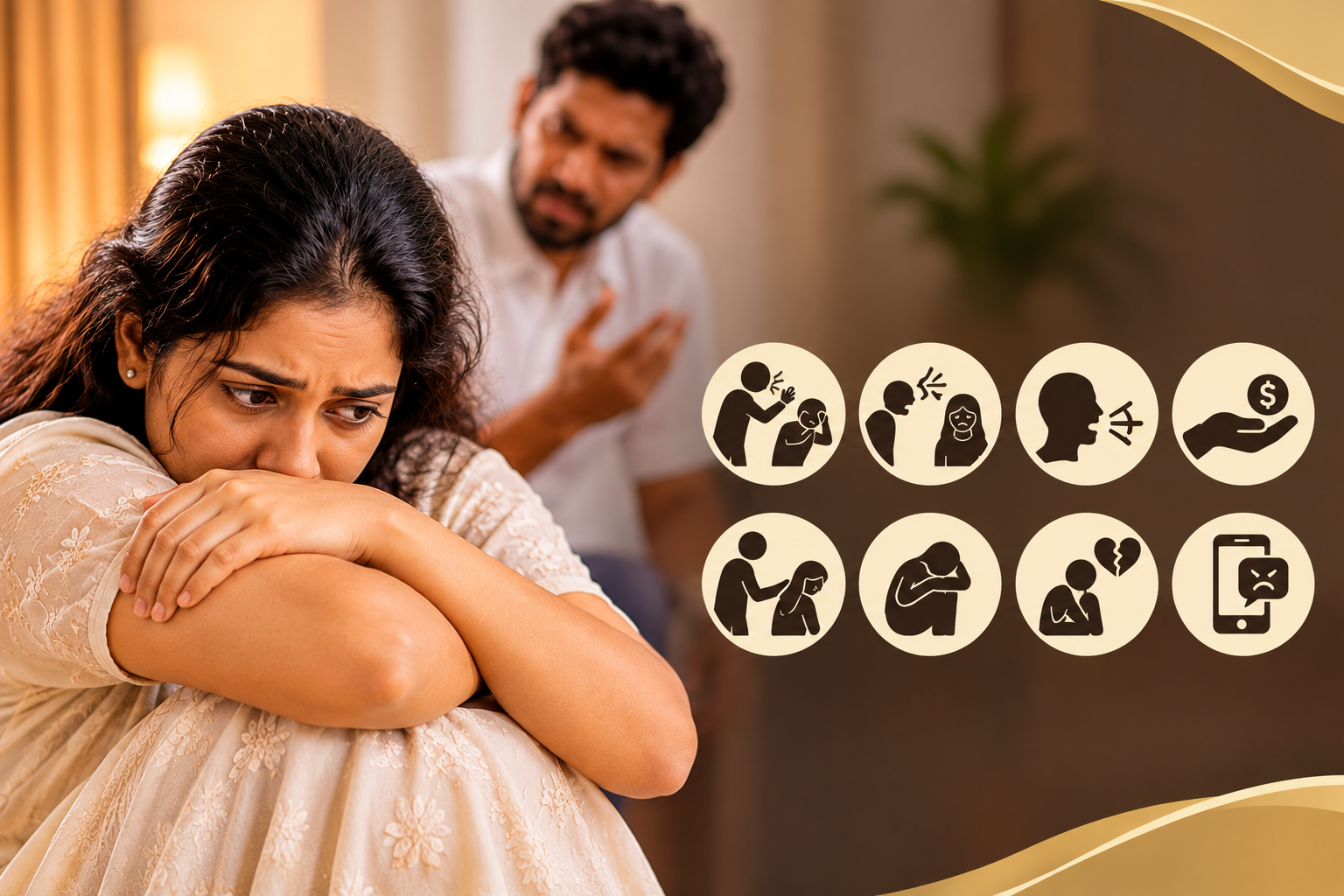
The types of domestic violence in marriage are not always easy to see. Marriage should be a place of safety, respect and partnership, but for many people in Sri Lanka, harm begins quietly, sometimes even during the engagement, and grows over time. Domestic violence is not only about physical injury. It is any pattern of behaviour used to control, frighten, or hurt a spouse or partner
Knowing the different types helps you recognise warning signs early, whether you are considering a marriage proposal, already married, or supporting someone you care about.
1. Physical violence
This is the most visible form: hitting, slapping, pushing, kicking, choking, throwing objects, or restraining someone. It also includes denying medical care or sleep.
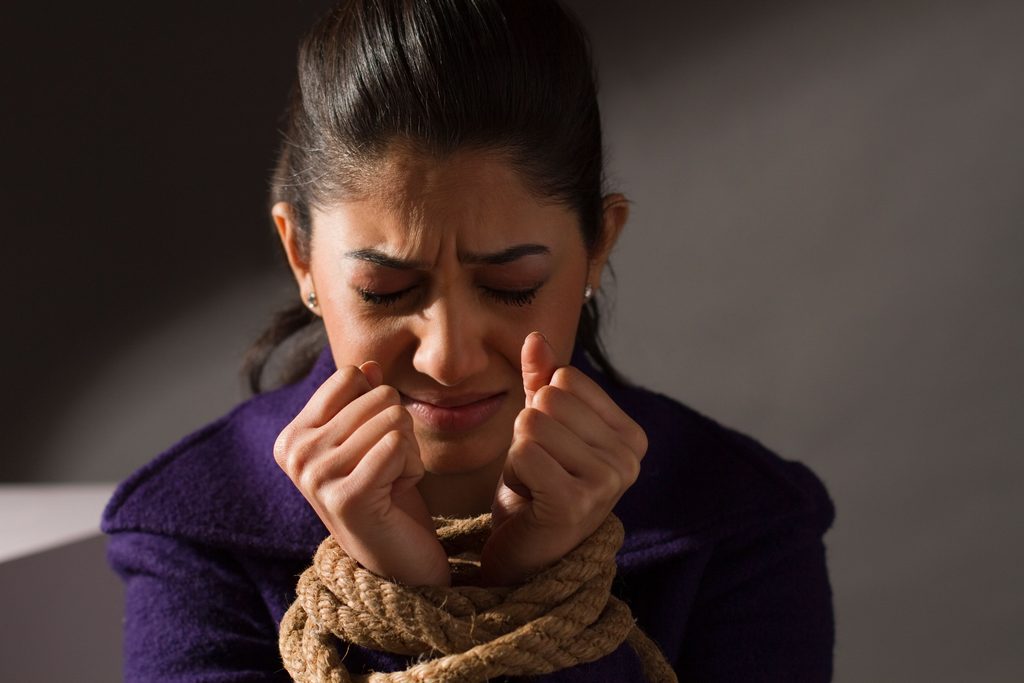
How to recognise it:
Unexplained injuries, or explanations that don’t add up
Fear of the partner’s temper
Being blamed for “making” them angry
Incidents that start small and become more frequent or severe
2. Emotional and psychological abuse
This often leaves no marks, which is why it is the hardest to spot. It includes humiliation, threats, intimidation, constant criticism, gaslighting (making you doubt your memory or judgement), and using the silent treatment as punishment.
How to recognise it:
You feel anxious, “walk on eggshells”, or constantly apologise
Your confidence and self-worth have shrunk
You are threatened with abandonment, or with losing your children
Your feelings are dismissed as “overreacting”
3. Verbal abuse
Shouting, name-calling, insults, sarcasm meant to hurt, and mocking someone in front of family or friends. Comments about appearance, intelligence, career or family background are common.
How to recognise it:
Insults are framed as “jokes” or “honesty”
You are humiliated in public or in front of relatives
Conversations regularly turn into shouting or put-downs
4. Sexual violence
Any sexual act without free and genuine consent, including pressure, coercion or force. It also includes reproductive coercion, such as controlling contraception or forcing a pregnancy. Being married does not mean consent is automatic.
How to recognise it:
“No” is ignored, or you’re punished for refusing
You agree out of fear rather than choice
You are made to do things you are uncomfortable with
5. Financial (economic) abuse
Controlling money to control the person. This includes taking a spouse’s salary, preventing them from working, hiding family finances, or demanding they account for every rupee. In some cases, it involves ongoing pressure about dowry, property, or jewellery.
How to recognise it:
You have no access to bank accounts or financial information
You must ask permission to spend on basic needs
You are stopped from studying or working
Money is used as a threat or punishment
6. Isolation and controlling behaviour
An abusive partner may gradually cut you off from friends, family and support. It is often disguised as love, concern or jealousy.
How to recognise it:
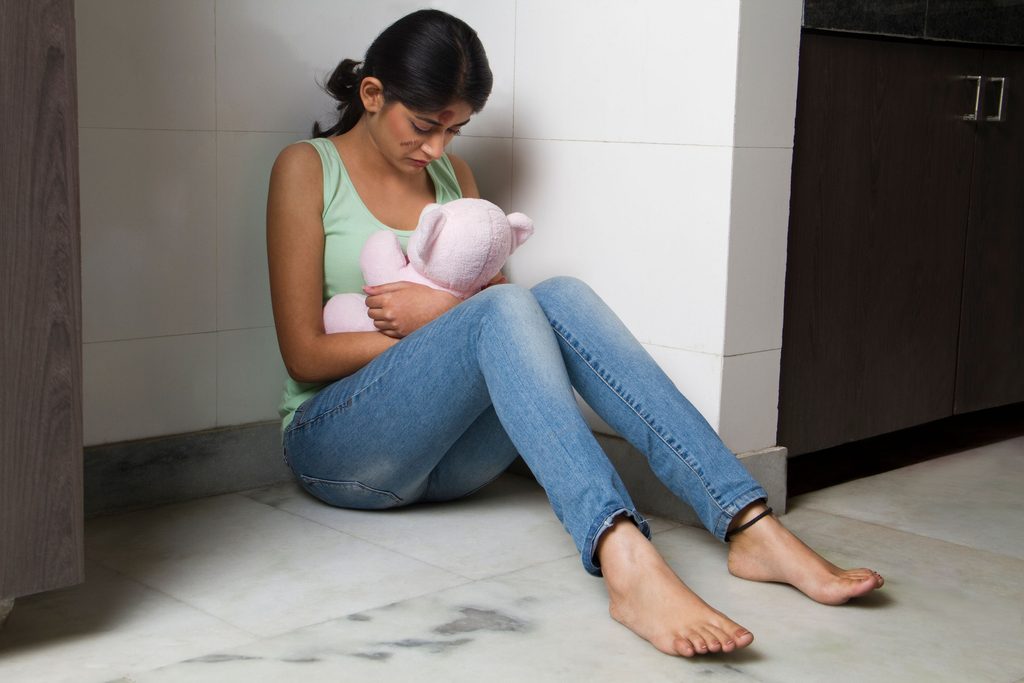
You are discouraged from seeing your family or friends
Your phone, calls and movements are monitored
Your clothing, schedule, and decisions are controlled
Extreme jealousy is described as “proof of love”
7. Digital and technological abuse
Technology can be used to monitor and control. This includes tracking location, demanding passwords, reading private messages, online harassment, or threatening to share private photos.
How to recognise it:
Your partner knows things only your private messages could reveal
You are pressured to share passwords or live location
Online threats or humiliation, or intimate images used as leverage
8. In-law and family-based abuse
In many South Asian households, the harm doesn’t come only from the spouse. Relatives may harass, humiliate or pressure a spouse, often around dowry, childbearing, household duties or “family honour”.
How to recognise it:
Repeated demands for money, property or gifts
Pressure or blame over having (or not having) children
Constant criticism or control by in-laws, with your spouse failing to protect you
Being told to “adjust” while being mistreated
Red Flags to Watch for Before Accepting a Marriage Proposal in Sri Lanka
When a marriage proposal arrives, it is easy to focus on biodata, education, career and family background. Equally important is how a person treats others and how they behave when things don’t go their way. Watch for:
Extreme jealousy or controlling behaviour
Anger that frightens you
Disrespect toward family, staff, or people they consider “lower”
Pressure to make quick decisions or to cut off people close to you
Refusing to take responsibility and blaming you for everything
“It will change after marriage” excuses
Take your time, meet more than once, and talk to people who know the person well. Trust your instincts. Marriage does not fix controlling or violent behaviour.
Why people stay silent
Many victims don’t speak out because of stigma, fear of family conflict, financial dependence, concern for children, or the belief that suffering is part of marriage. Silence is not consent, and staying does not mean it is acceptable.
Where to get help in Sri Lanka
Domestic violence is a legal issue in Sri Lanka. The Prevention of Domestic Violence Act, No. 34 of 2005 allows a victim to apply to a Magistrate’s Court for a protection order. Support is also available from:
Police emergency: 119
Women’s helpline: 1938
Sri Lanka Police: women’s safety page with hotline numbers- https://www.police.lk/?p=21289
Women and Children’s Bureau at your nearest police station
Local women’s rights organisations and counselling services
How to support someone you’re worried about
Listen without judging or blaming
Don’t pressure them to leave. Let them make decisions at their pace
Share information about help and safe options
Stay in contact so they don’t feel isolated
Final thoughts
A healthy marriage is built on respect, trust, and safety, and no one should have to earn those. Recognising the types of domestic violence is the first step toward preventing harm and finding support. If something in this article sounds familiar, you deserve to talk to someone about it.
Every marriage should begin with trust and respect. Find your life partner among verified marriage proposals in Sri Lanka on Poruwa.lk.
A safe marriage starts with a careful choice. Read our online matrimonial safety tips, then begin your search on Poruwa.lk.
Looking for a respectful, compatible life partner? Browse marriage proposals in Sri Lanka on poruwa.lk, Sri Lanka’s matrimony platform, and take the time to get to know someone before you decide.
Frequently asked questions about domestic violence in marriage
Is emotional abuse considered domestic violence?
Yes. Emotional and psychological abuse can cause serious harm, even without physical violence.
Can a husband be violent toward a wife only after marriage?
Warning signs often appear earlier, but controlling and abusive patterns can also escalate after marriage.
Can men experience domestic violence?
Yes. Anyone can be a victim, although women are more commonly affected.
What should I do if I feel unsafe?
Contact the emergency number (119), reach out to a trusted person, and seek support from a helpline or the police.


 By