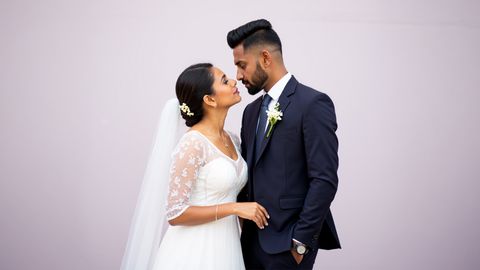


What is gamophobia?
Gamophobia is an excessive, lasting fear of commitment, relationships, or marriage. The fear is out of proportion to any real danger, and it usually continues for six months or longer. It can affect anyone, including many manaliyo who feel they must stay calm and confident while privately struggling.
Common signs
People with gamophobia may feel sudden anxiety or panic when a relationship becomes serious. Physical symptoms can include:
- Chest pain or a choking feeling
- Dizziness and trembling
- Rapid heartbeat or breathing
- Sweating
- A sense of impending doom
Behavior changes are common too. Some people pull away from their partner, end relationships once they get serious, or avoid dating altogether. Over time, this can lead to loneliness and isolation.
How is it diagnosed?
Gamophobia is not a separate diagnosis in the DSM-5-TR. A professional may instead diagnose a specific phobia or another anxiety disorder. This usually requires an immediate anxiety reaction, avoidance or extreme distress, and an impact on daily life, lasting at least six months.
What Causes It?
There is rarely a single cause. Common contributors include:
- Painful experiences: Growing up around constant conflict or violence, or going through toxic relationships, infidelity, or divorce.
- Attachment style: Children whose emotional needs weren’t met may later struggle to trust and feel secure in relationships.
- Genetics: Phobias are estimated to be about 30% to 40% heritable, and family attitudes toward marriage also play a role.
- Modern pressures: A desire for independence, career goals, financial worries, and media influence can all add to the fear.
Treatment Options
The good news is that gamophobia is treatable. A mental health professional may suggest:
- Cognitive behavioral therapy (CBT): Replaces fearful thought patterns with healthier ones and builds coping skills.
- Exposure therapy: Gradually and safely builds comfort with the feared situation, alongside relaxation techniques.
- EMDR: Helpful when the fear is linked to past trauma.
- Medication: Sometimes used alongside therapy to ease anxiety.
Ways to cope
- Reflect on your history: Notice whether you tend to pull away or sabotage good relationships.
- Ask what you truly want: Decide whether the fear is blocking a future you want.
- Journal: Writing helps you spot patterns in your thoughts.
- Practice relaxation: Deep breathing, meditation, and yoga can calm your body when fear rises.
Final thoughts
Fear of marriage doesn’t mean you are broken or unready for love. Whether you are a bride-to-be or one of the many manaliyo feeling the pressure, support is available. Talking openly with your partner and a qualified professional can help you move toward commitment with confidence rather than fear.


 By