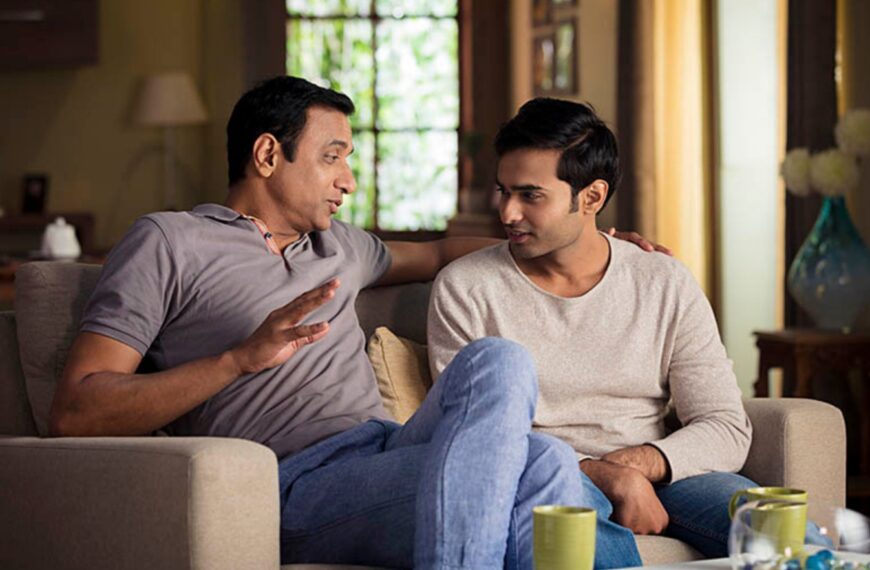


In Sri Lanka, marriage has always been an institution. Unlike elsewhere in the world, it has never been just a union between two people, but rather a form of family and social institution and construct. Arranged marriages have long been the norm for centuries, where parents and elders, and customs, dictated finding a suitable life partner. For an arranged marriage, things were not so simple, as there were many other considerations like caste, religion, and one’s horoscope were pivotal, along with family reputations, etc.
Love marriages were often a taboo – there was always a notion or stigma to love marriages, as marrying for love was not in line with traditional social norms and values of families. However, love marriages have gradually become the norm along with arranged marriages, mostly with increased education, urbanization, and social change, as people are more likely to have some global exposure, which has led to the continued acceptance of love marriages. Thus, our childhood memories of familial norms are still impactful for many Sri Lankans today, but love marriages are no longer a rarity in many Sri Lankan families.
So where do we go from here? What has happened to the concept of love marriages in Sri Lanka? Let us follow the road to love marriages in the cultural context of Sri Lanka, beginning with its historical context and moving up to the present day.
Arranged Marriages: The Traditional Norm
For generations, arranged marriages were the basis of Sri Lankan society. Marriage was less about romance and more of a means to strengthen family relationships and cultural continuity.
Elders in the family would make the decisions based on:
Family honour and financial status
Astrological conditions (horoscope) compatibility
Religion and caste (social class) factors
Social and local community acceptability
In this arrangement, love was supposed to grow after marriage, instead of before a couple’s union. Love marriages were rare, often considered unacceptable because they were not a part of the hierarchical structures developed by the previous generations.
Ancient Sri Lanka: Love in History and Folklore
Intriguingly, love marriages were not absent in the historical and folkloric narratives of Sri Lanka. The majority of antiquities, texts, and even local folklore highlight unions based on love and choice. For instance, the tale of Kuvanna and Prince Vijaya, which is considered part of Sri Lanka’s origin mythology, describes a marriage based on affection and love. Again, there are numerous examples of romantic relationships in folklore and poetry that were seen to supplant rigid adherence to traditions, implying that love has always been integral to the island’s cultural imagination. However, as structured forms of society and caste systems strengthened, the scope for individual agency in marriage decreased sharply.
Colonial Era: The Beginning of Change
Sri Lanka underwent a shift in culture and laws in colonial times (under the Portuguese, Dutch, and British). There was exposure to a Western education system and mission/model schools, where students were exposed to individual personhood and personal freedom, alongside the concept of women’s rights. In relation to marriage, laws on Christian marriage were created to accommodate inter-religious marriages during this phase. Colonial intervention on the institution of marriage, coupled with the modification of community attitudes towards marriage, was a creeping influence. Arranged marriages were still disproportionately dominant, while traditional families continued to engage in arranged marriages based chiefly on caste, class, and social compatibility.
Post-Independence Sri Lanka: Gradual Acceptance of Love
Following independence in 1948, Sri Lankan society began to undergo radical changes. The equilibrium between tradition and modernity began to shift due to a variety of intersecting variables:
Education – With higher literacy and university living, young people had increased individual autonomy in their decisions about life partners.
Economic Change – Women’s entry into the workforce granted them financial independence and agency in their own personal decision-making around marriage.
Urbanization – Cities brought people from various regions, castes, and communities into intimate proximity. These new urban environments made encountering “the other” inevitable and produced new social possibilities, especially love marriages.
Media Influence – The existing narratives around romantic love marriages were potent and influential shapes to society, thanks to Sinhala and Tamil cinema, teledramas, and later globalization greatly emphasized a romanticized love marriage, making it appear sought-after or aspirational for many people.
This was a pivot point. There was still resistance and discord between tradition and modernity, but love marriages began to be constructed as a legitimate choice for more people, even if it felt fraught.
Love Marriages in Modern Sri Lanka
Nowadays, love marriages are greatly accepted for the most part – particularly amongst younger individuals – but things are not so clear-cut!
The Good:
In a number of families, love marriages are now accepted – particularly if the religion, family pedigree, and finances match.
“Semi-arranged marriages” are steadily gaining traction, which means that while an individual will still choose their partner, the elders have an important final role to play.
Moreover, social media and dating apps have provided young people with greater opportunities to meet outside their family circles.
The Bad:
Social norms, family pedigree, and caste are still seriously looked at in any marriage, particularly in rural districts.
Interfaith or inter-caste marriages can still be “not accepted”, cause family rejection, or cause social stigma.
Also, parental disapproval can still be a real barrier for some, even in very conservative homes.
So, while love marriages may have a degree of acceptance, traditional elements remain influential in Sri Lankan marriages.
The Future of Love Marriages in Sri Lanka
Love marriages in Sri Lanka are poised to rise in prevalence as social norms evolve. The younger generation weighs personal happiness and compatibility more importantly than tradition. Yet acceptance of love marriages in Sri Lanka will require:
Greater awareness about legal protections for couples.
Less emphasis on caste or horoscope matching.
More open family discussion pertaining to personal preferences.
Ultimately, the delineation between arranged marriages and love marriages is shifting to remain in a middle space, whereby traditions and personal choice are valued.
Conclusion
The history of love marriages in Sri Lanka is a continuing story of slow change. What was once viewed as taboo and unimaginable has slowly become a process for couples in modern society. However, the process is still uneven. Urban and progressive families will tend to support love marriages as a valid form of marriage, while many rural and conservative families and communities continue to reserve themselves in favor of tradition. At its very basic level, marriage is about choice, respect, and happiness, regardless of whether it is done through family arrangements or a person’s own love. As Sri Lanka continues to modernize, the only thing we can assure is that love will be a part of it.

 By
By