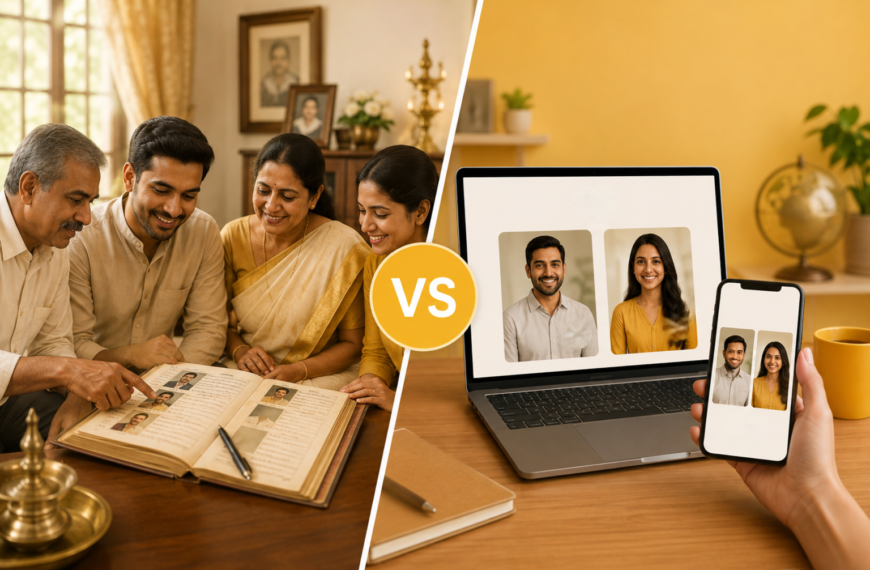
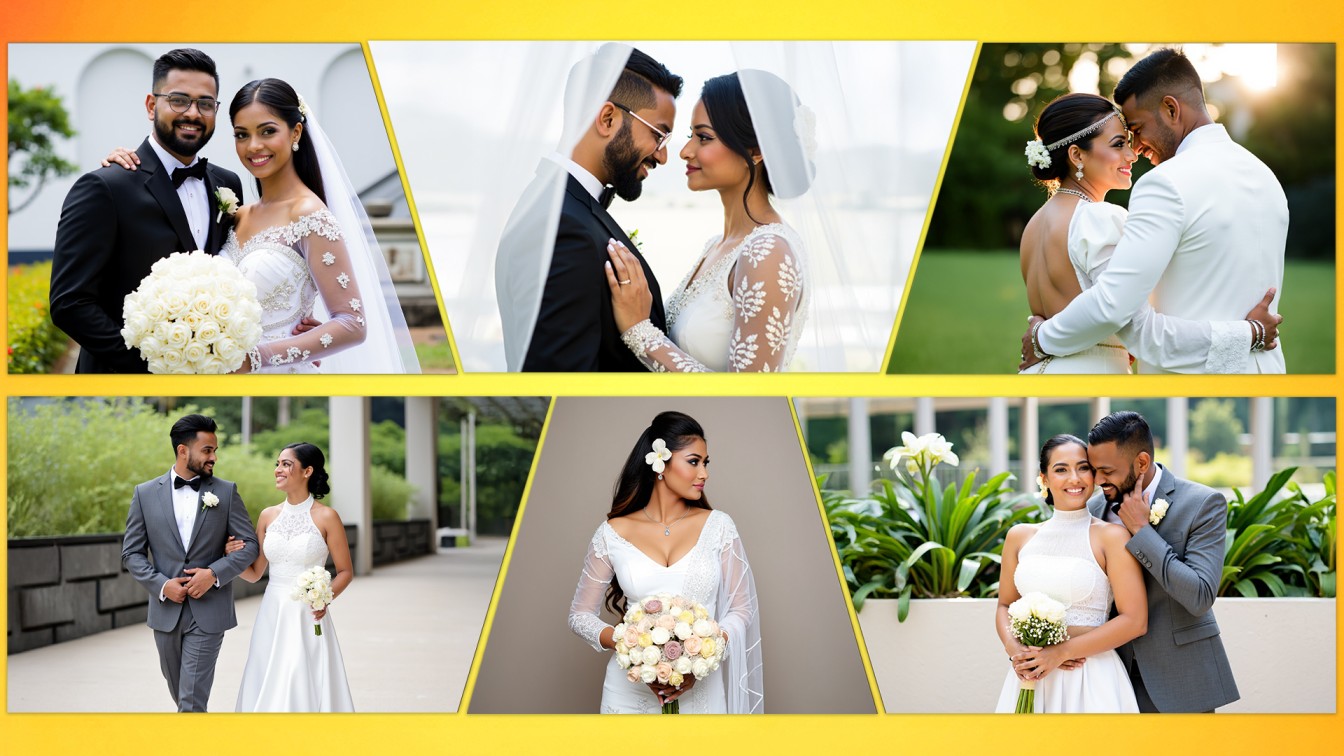

Marriage proposals in Sri Lanka are more than just formal agreements. They’re gateways to cultural richness, family values, and sacred traditions. In the heart of this island nation, Sri Lankan matrimony is a celebration of heritage. Whether it’s a Kandyan wedding or a modern ceremony in Colombo, the customs remain deeply rooted in Sinhala-Buddhist culture.
If you’re exploring a marriage proposal, planning a Sri Lankan wedding, or using a matrimony service in Sri Lanka, understanding these wedding traditions will guide you through a truly meaningful journey.
Two Main Types of Sinhala Weddings in Sri Lankan Matrimony
Sri Lanka’s majority Sinhalese community follows two traditional wedding styles:
- Upcountry Weddings (Kandyan Weddings): These are deeply influenced by Buddhism and royal heritage. They feature elaborate attire and strict adherence to rituals.
- Lowcountry Weddings (Pahatharata Weddings): These incorporate both Sinhala customs and Western influences, especially in the wedding dress and music.
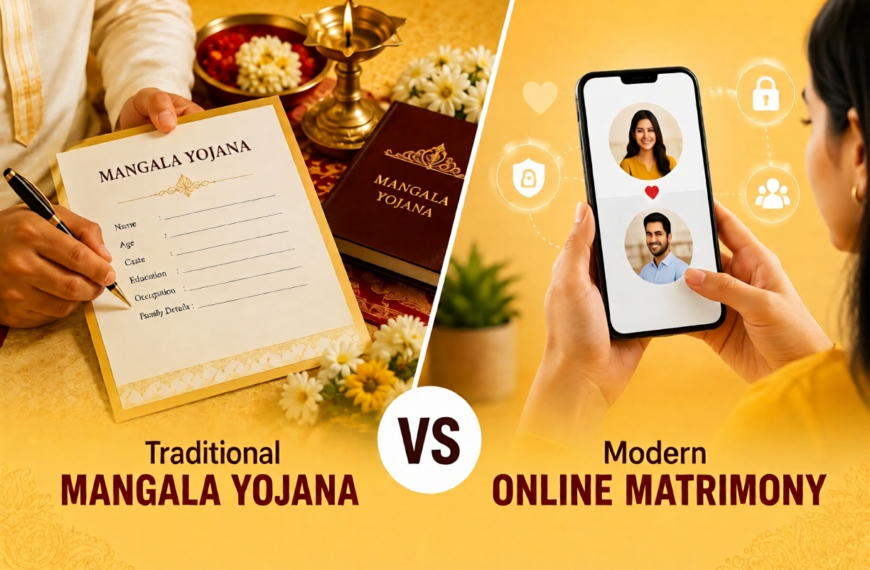
Both forms of weddings are guided by Mangala Yojana Sri Lanka, which sets out religious and astrological customs for a successful marriage.
There are some differences between these two categories, but most of the Sinhala traditions follow Buddhism. But all of these traditions highlight Sri Lankan culture with cultural significance. So many changes have happened over time, and most of those traditions are still alive with its cultural values. The following are some of those traditions that still take place in Sinhalese weddings.
- Auspicious Time
- Sinhalese Wedding Attire
- Mini procession to the wedding venue
- Poruwa ceremony
- The Wedding Feast
- Mangala Sabhawa
- Mangala perahera
Auspicious Time in Sri Lankan Matrimony
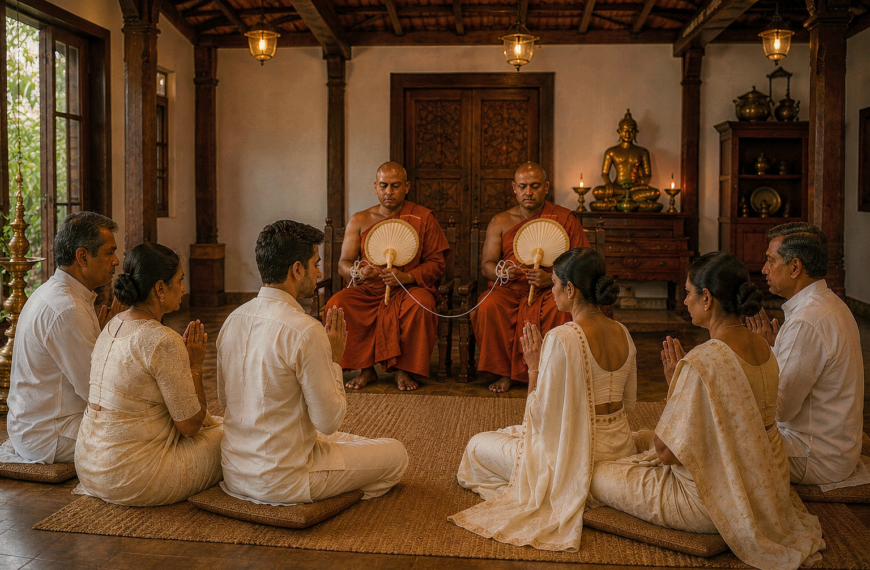
In Sri Lankan matrimony, astrology plays a central role in shaping the path toward a successful union. Before finalizing a marriage proposal in Sri Lanka, families consult an astrologer to examine the couple’s horoscopes for compatibility. If the horoscopes align, the astrologer then provides the auspicious time, locally known as “නැකත්” (Nekath), which becomes the foundation for all wedding rituals.
This timing-guided by the Mangala Yojana, Sri Lanka-is considered sacred and vital to ensuring a harmonious marriage. The astrologer determines not only the date of the wedding but also the precise moments for rituals such as the Poruwa ceremony, exchanging of rings, and even the couple’s arrival at the venue.
Planning a wedding without following tradition is rare in traditional Sinhala weddings. Families believe these astrological timings bring prosperity, harmony, and longevity to the couple’s life together.
Based on astrological guidance, the months of March, May, June, and July are often seen as peak wedding seasons among the Sinhalese. However, the most auspicious date can vary depending on the individual horoscopes of the bride and groom.
Whether it’s a modern marriage proposal or a traditional Mangala Danweem marriage proposal, these rituals reflect the deep cultural respect Sri Lankans have for astrology and tradition.
Sri Lankan Wedding Attire: Kandyan and Low-Country Traditions
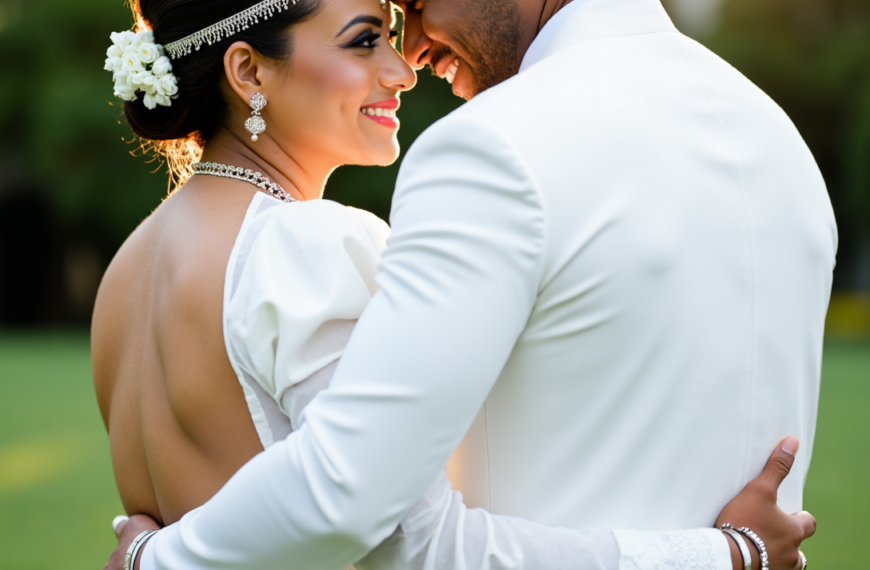
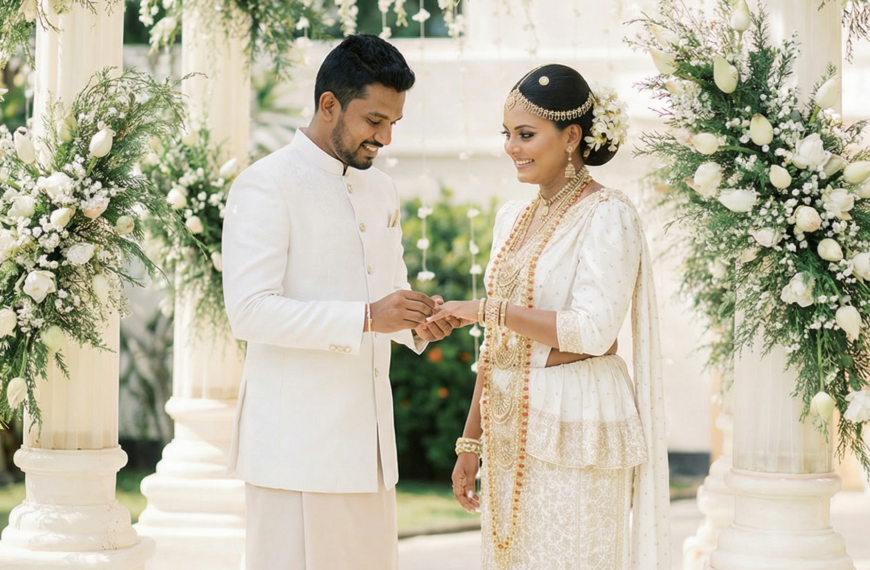
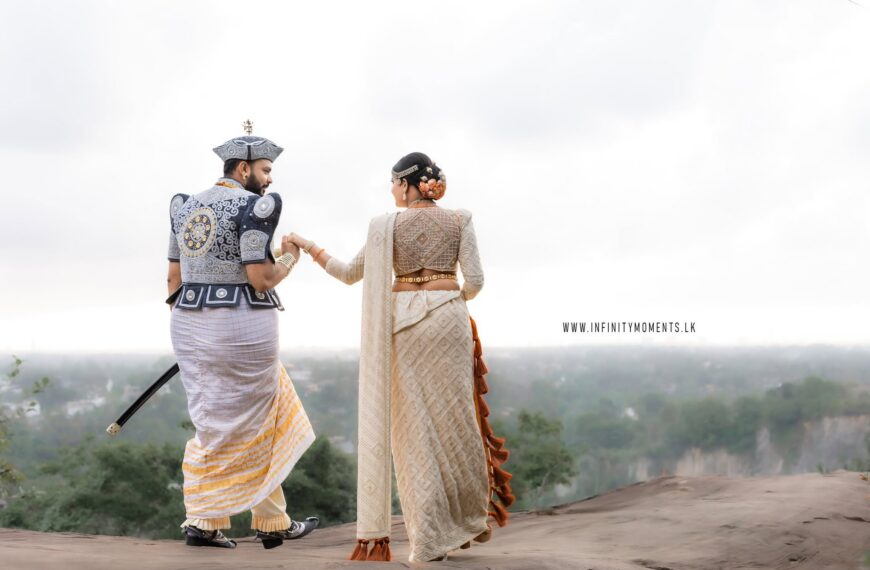
One of the most iconic elements of Sri Lankan wedding traditions is the unique and elegant attire worn by the Sri Lankan bride and groom. In Upcountry weddings (Kandyan weddings), the bride traditionally wears an Osariya, also known as the Kandyan Saree, a graceful variation of the traditional saree. These sarees often come in soft, light shades and are intricately adorned with pearls, beads, stones, and sometimes even Mangala kinkini (auspicious wedding bells), enhancing the saree’s regal and spiritual charm.
To complete this sacred bridal look, the Kandyan bride wears an elaborate set of gold jewellery, which is often passed down through generations, symbolizing legacy and prosperity. This timeless ensemble represents beauty, youth, and purity, making her the shining star of the wedding. Many brides looking for marriage proposals in Sri Lanka or those engaging in Mangala Danweem marriage proposals dream of wearing this cherished attire.
In contrast, Low-country weddings present a more modest and modern bridal aesthetic. These brides wear a simple saree infused with Western influences, often paired with a delicate silk veil. Compared to their Kandyan counterparts, their jewellery is minimal yet elegant-reflecting a harmonious balance between tradition and modernity within the evolving world of Sri Lankan matrimony.
The groom’s attire in Kandyan ceremonies is equally symbolic and majestic. Most grooms wear the Nilame costume, an outfit historically linked to Sri Lankan royalty and high-ranking officials. Made from rich fabrics in colors like maroon, green, blue, red, and brown, this attire features intricate gold-thread embroidery with traditional motifs- lions, swords, swans, phoenixes, and floral strands. Paired with a matching sarong and a crown-like hat, the Nilame costume exudes power, masculinity, and cultural pride, resonating with the legacy of Mangala Yojana Sri Lanka and the essence of Mangala Sewaya.
Both the Sri Lankan bride and groom’s outfits reflect deep cultural roots and age-old customs tied to (auspicious timings) and religious blessings. From a marriage proposal to the wedding day, these traditional attire continue to be a vital expression of identity, respect, and spiritual unity in Sri Lankan society.
Whether one is seeking marriage proposals, preparing for a Mangala Danweem, or engaging in a culturally rich Mangala Yojana, these wedding traditions in Sri Lanka remain a powerful tribute to the country’s vibrant heritage.
Mini wedding procession to the venue
In the past, most Sri Lankan wedding ceremonies were held at the bride’s home, surrounded by close family and friends. However, with changing times and modern trends, many couples now choose elegant hotels or scenic destinations as their preferred wedding venues. Yet, amidst these changes, the tradition of a mini procession remains a vibrant part of Sri Lankan matrimony, preserving cultural identity.
This procession marks the official start of the wedding celebrations. The Sri Lankan bride and her family enter the reception hall accompanied by traditional dancers and drummers, creating an atmosphere of joy and festivity. These rhythmic beats and colorful performances are meant to captivate the audience and symbolize the sacred nature of the union.
Following this, the bridegroom enters with his family. As they approach the reception hall, a group of young girls sings a traditional welcome song, blessing the couple and offering them a heartfelt reception. This musical greeting is an age-old part of Mangala Sewaya, reflecting the emotional and spiritual blessings of marriage.
One particularly meaningful ritual is when the bride’s brother pours water onto the groom’s feet before he steps into the hall. This act is a mark of respect and goodwill, rooted deeply in Sri Lankan wedding traditions. In return, the groom gives a wedding ring or token to the bride’s brother as a gesture of appreciation. This touching exchange represents harmony between the two families and is often remembered fondly by all.
This mini procession, enhanced by Mangala Kinkini (wedding bells), symbolic rituals, and cultural blessings-sets the tone for a joyful celebration of love, faith, and unity. Whether arranged through a Mangala Danweem marriage proposal, a modern marriage proposal in Sri Lanka, or a family-organized Mangala Yojana, these time-honored customs beautifully connect past and present.
For those exploring Sri Lankan matrimony and marriage proposals, such meaningful traditions make weddings more than just ceremonies- they become unforgettable cultural experiences.
Poruwa ceremony
The Poruwa ceremony is one of the oldest and most cherished wedding traditions in Sri Lanka, believed to have existed even before the arrival of Buddhism in the 3rd century. Despite colonial influences-especially the British rule in the 1870s-this sacred ritual remained untouched, highlighting its powerful role in Sri Lankan matrimony and cultural identity.
Among all marriage proposals in Sri Lanka, those that lead to a traditional wedding often revolve around the Poruwa Ceremony. This ritual is not merely symbolic-it’s a deep cultural and spiritual experience that reflects the union of two souls and their families. It also represents a firm marriage settlement, one that is respected and upheld by generations.
In this ceremony, the bride and groom step onto the Poruwa-a beautifully adorned, elevated wooden platform that symbolizes the couple’s new home. This space becomes the center stage for the rituals performed under the guidance of an elder or master of ceremonies. Chants, offerings, and symbolic gestures like the tying of fingers with a golden thread take place on the Poruwa, blessing the union with longevity and harmony.
One of the unique aspects of the Poruwa ceremony is its Buddhist influence. Though open to interpretation across regions and communities, the ritual often involves විවාහ නැකත් (auspicious timings) based on astrology, which is a significant part of both Mangala Yojana and Mangala Sewaya practices in Sri Lanka. These timings are usually decided by an astrologer, aligning with the couple’s horoscopes to bring prosperity and good fortune.
The Sri Lankan bride, adorned in a traditional Kandyan saree, steps onto the Poruwa with poise, accompanied by her groom in his regal Nilame costume. Together, they perform rituals that bind them in sacred vows- vows often envisioned during the Mangala Danweem marriage proposal phase. The sound of Mangala kinkini (wedding bells) often adds a magical touch to this ancient rite.
The Poruwa ceremony isn’t just a ritual-it’s the soul of Sri Lankan wedding customs, deeply embedded in every aspect of the celebration. Whether planned through a traditional family connection or a modern Sri Lankan matrimony platform, the Poruwa remains a profound symbol of cultural pride and everlasting love.
The wedding feast
A significant and delightful part of wedding traditions in Sri Lanka is the grand feast that follows the Poruwa Ceremony. Food plays a central role in Sri Lankan matrimony, symbolizing abundance, unity, and celebration. After stepping down from the Poruwa, the newlyweds are traditionally welcomed to a beautifully set tea table filled with a variety of traditional Sri Lankan sweets and delicacies.
At the heart of this tea table lies Kiribath (milk rice), a sacred dish in Sri Lankan wedding customs, symbolizing prosperity and good beginnings. It’s often accompanied by sweetmeats like Kavum, Kokis, Aluwa, and Asmi, making this moment a visual and cultural delight for guests and family members alike.
Depending on the time of the wedding, the main meal served will differ. Daytime weddings usually include a well-prepared lunch, while evening or night weddings offer a full dinner service. In both cases, rice remains the star of the menu, reflecting Sri Lanka’s culinary heritage. The meal is typically complemented with an array of local curry dishes, vegetable stir-fries, salads, and sometimes even international additions like noodles and pasta, catering to diverse palates and preferences.
Whether arranged through a traditional family setting or a modern marriage proposal in Sri Lanka platform like Poruwa.lk, couples often personalize their wedding menu based on taste, family traditions, and budget. The flexibility in menu design is a key feature of Mangala Yojana Sri Lanka services, where food selection can range from purely traditional to a blend of modern and local tastes.
Beyond satisfying appetites, the Sri Lankan wedding feast is a cultural expression of celebration of love, family, and shared joy. It is this fusion of taste and tradition that continues to make Sri Lankan matrimony a truly memorable experience for all.
Mangala sabhawa.
As the vibrant day of celebration draws to a close, Sri Lankan matrimony traditions mark the finale of a Sinhala wedding with heartfelt gatherings and joyful expressions. One of the most cherished wedding traditions in Sri Lanka is the final gathering where the couple, their families, and guests come together to reflect on the union.
Elders from both families take turns making speeches-offering blessings, expressing gratitude to guests, and sharing valuable advice for a successful married life. These words of wisdom are rooted in tradition and highlight the importance of mutual respect, love, and unity in the journey ahead.
Over time, this tradition has gracefully evolved. In modern Mangala Yojana Sri Lanka weddings, this closing event often includes lighthearted and fun speeches from the couple’s friends and siblings, injecting laughter and personal stories into the celebration. It’s a blend of old and new, where timeless cultural elements meet the vibrancy of today’s generation.
One of the highlights of the evening is the first dance of the couple as husband and wife, symbolizing unity and joy in Sri Lankan matrimony. The dance floor comes alive, often followed by special performances from friends and family. A particularly touching moment that has gained popularity in recent years is the father-daughter dance, a beautiful symbol of a father’s blessing and love.
Whether planned traditionally or following a marriage proposal in Sri Lanka, arranged through platforms like Poruwa.lk, this final celebration reflects the deep emotional and cultural ties that make Sri Lankan weddings unforgettable. It’s a perfect end to a day filled with ritual, joy, and the promise of a shared future.
Mangala Perahera
The final and most emotional part of a Sri Lankan Sinhala wedding ceremony is the Mangala Perahera farewell of the couple as they begin their life together. This beautiful tradition reflects the deep-rooted cultural values found in Mangala Yojana, Sri Lanka, where marriage is not just a personal union but a sacred societal event.
In the past, this farewell journey was carried out in a bullock cart, taking the newlyweds and family from the bride’s home to the groom’s house. Though the tradition has modernized, the essence of this Mangala Sewaya blessed service marking the end of the wedding is still preserved. Today, the couple usually leaves in a beautifully decorated car that symbolizes a fresh start, often heading directly to a hotel for their honeymoon.
Before leaving, the couple worships their parents, seeking blessings and expressing gratitude. This act is a significant moment within Sri Lankan matrimony, and especially meaningful for couples who met through a Mangala Danweem marriage proposal, often arranged by family or through trusted wedding services. Guests bless the couple as they bid farewell, marking the end of the celebrations and the beginning of married life.
Though the form has changed over time, the Mangala Perahera still retains its glory-sometimes even accompanied by traditional drummers, dancers, and symbolic elements like Mangala Kinkini (wedding bells) for good fortune. It stands as the final event in the couple’s wedding ceremony, filled with emotion, tradition, and beauty.
Whether planned through a modern marriage proposal in Sri Lanka or family-arranged, the farewell procession is a testament to the rich customs of Sri Lankan wedding traditions and a heartfelt ending that begins a new journey.

 By
By